
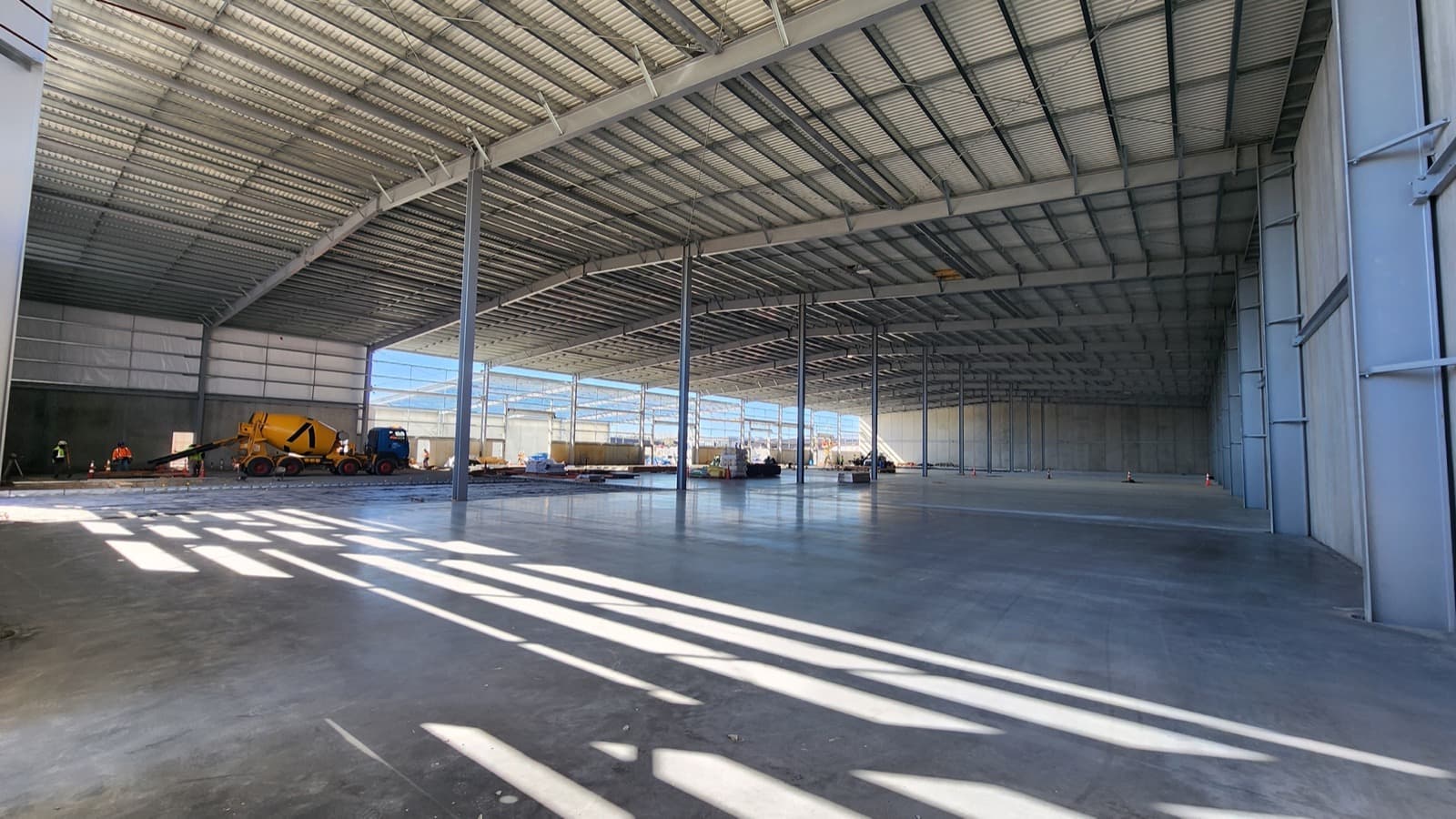
There are several ways to buy a mezzanine floor in New Zealand: local fabricators, resellers of someone else's product, and importers of flat-pack systems. The floor you end up with is only as good as the engineering, the documentation and the people who put it up. Here is how to tell one mezzanine supplier in NZ from another before you sign.
Fabricator, reseller or importer
Most NZ mezzanine suppliers fall into one of three groups. None is automatically wrong; the questions are who did the engineering, who is responsible when something does not fit, and whether the structure was designed for the NZ Building Code in the first place:
- Fabricator: makes the steel in their own workshop. Controls quality, can make custom parts, and can fix a problem on site with their own people.
- Reseller: sells a system made by someone else, often installed by contractors. Fine for standard jobs, but anything outside the catalogue goes back to the manufacturer.
- Importer: brings in a kitset from overseas. Can be cheap, but the engineering was done for another country's code and needs re-checking for NZ loads and seismic.
Engineering documentation
Ask for the engineering before you ask for the price. If a supplier cannot produce a PS1 for their standard product, the council will require one from your own engineer, and that cost and delay lands on you. Ask whether the seismic design is specific to your site or a generic assumption. A consented mezzanine needs:
- Structural drawings showing members, connections, bracing and baseplates
- Design calculations for the stated load rating and the seismic zone of the site
- A PS1 producer statement from a Chartered Professional Engineer (CPEng) confirming the design complies with the Building Code
- Later, a construction producer statement from the installer, and construction monitoring on larger jobs
Building Code and consent support
A mezzanine is a structural addition and usually requires building consent. The council will look at structure, slab capacity, fire, escape routes, stairs and guardrails. A good supplier has been through that process many times, can tell you what your council will ask for, supply the structural side of the application, and point you to a fire engineer or slab assessment if needed.
Be wary of anyone who says consent is not needed for their product, or who leaves it entirely to you. The structure might be fine; the paperwork is where projects stall.
What a quote should include
Two quotes with different totals are often two different jobs. A quote that is cheaper because it left out the stairs is not cheaper. A complete mezzanine quote states, line by line:
- Supply of the structure, with module sizes, floor height and load rating
- Flooring type and thickness (19mm structural plywood is standard)
- Steel finish: primer, powdercoat or intumescent paint
- Stairs, with width, number of flights and landing arrangement
- Handrails, guardrails and kickboards for every open edge
- Pallet or rollover gates, and how many
- Delivery to site
- Installation, including any crane or lift hire
- Engineering documentation and the PS1
- Whether GST is included
Lead times and install
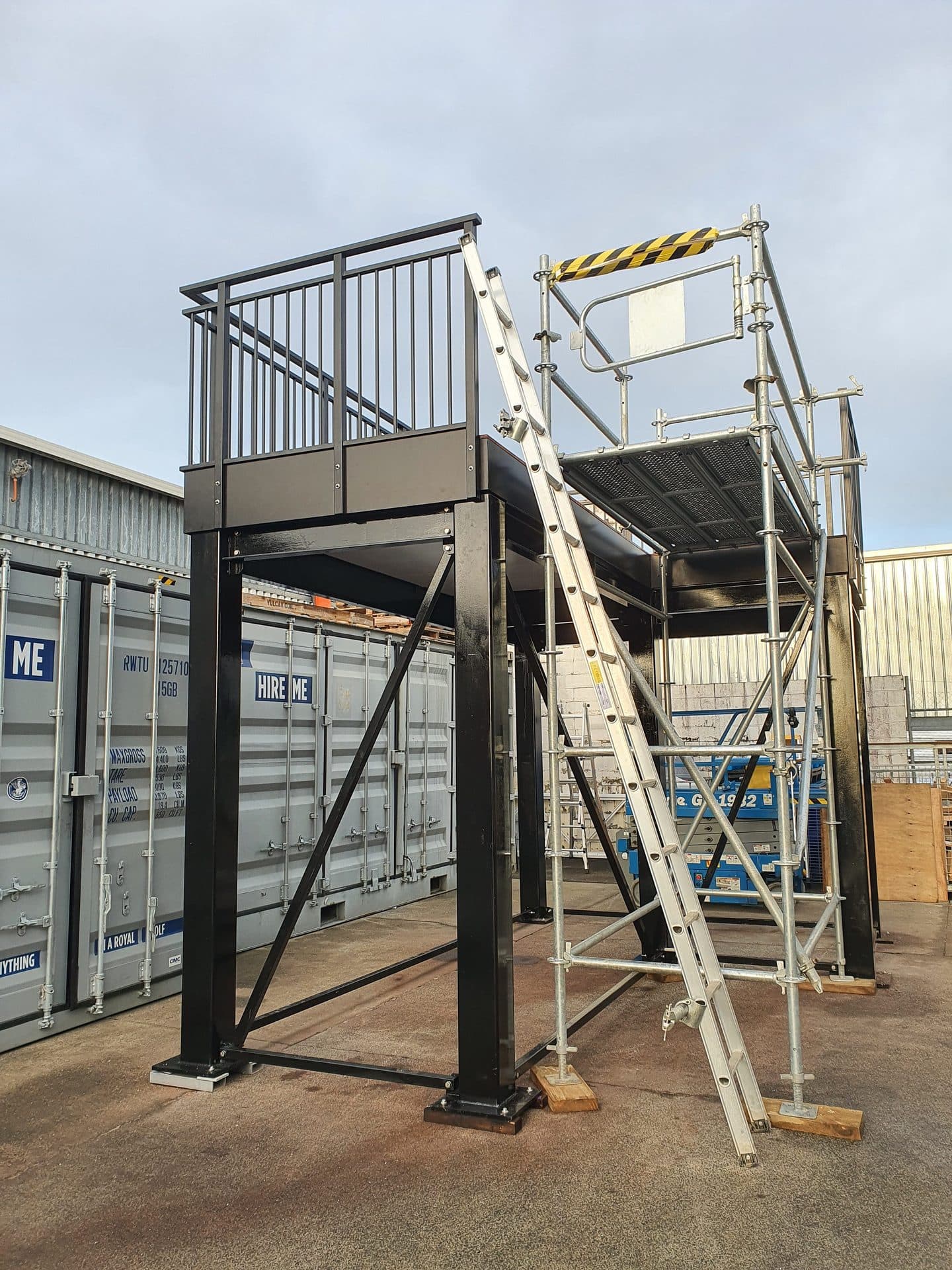
Ask for three dates: when fabrication starts, when the steel arrives on site, and when you can walk on the floor. Bolt-together systems with no on-site welding go up in days; welded structures take longer and bring hot-work permits and fumes into a working building.
Ask who does the install. A supplier's own crew, or an installer they use regularly, will know the product; a general contractor learning it on your job will not.
After-sales and extension
Businesses grow. The supplier you want can add bays in three years without redesigning the floor, supply a matching gate or stair when the layout changes, and will still exist to do it. Ask whether the floor can be extended, dismantled and relocated if you move, and whether they keep the engineering on file so an extension joins the same consent record.
Questions to ask
Take these to every supplier:
- Where is the steel fabricated, and by whom?
- Who is the engineer, are they CPEng, and is the PS1 included?
- What is the design load in kPa, and can it be higher if I need it?
- What is included in the price, and what is not?
- How long from order to a finished floor, and who installs it?
- Can it be extended, dismantled or moved later?
- Can I see a floor you installed and talk to the owner?
Red flags
Walk away, or at least slow down, if you see:
- No engineering documentation, or a PS1 that only appears when you push for it
- A load rating with no unit, or a phrase like heavy duty instead of a number
- Consent described as unnecessary or as your problem
- Guardrails, gates or stairs quoted as optional extras on a floor people will work on
- No physical address, no workshop, no installs you can visit
- Pressure to pay a large deposit before drawings exist
A supplier checklist
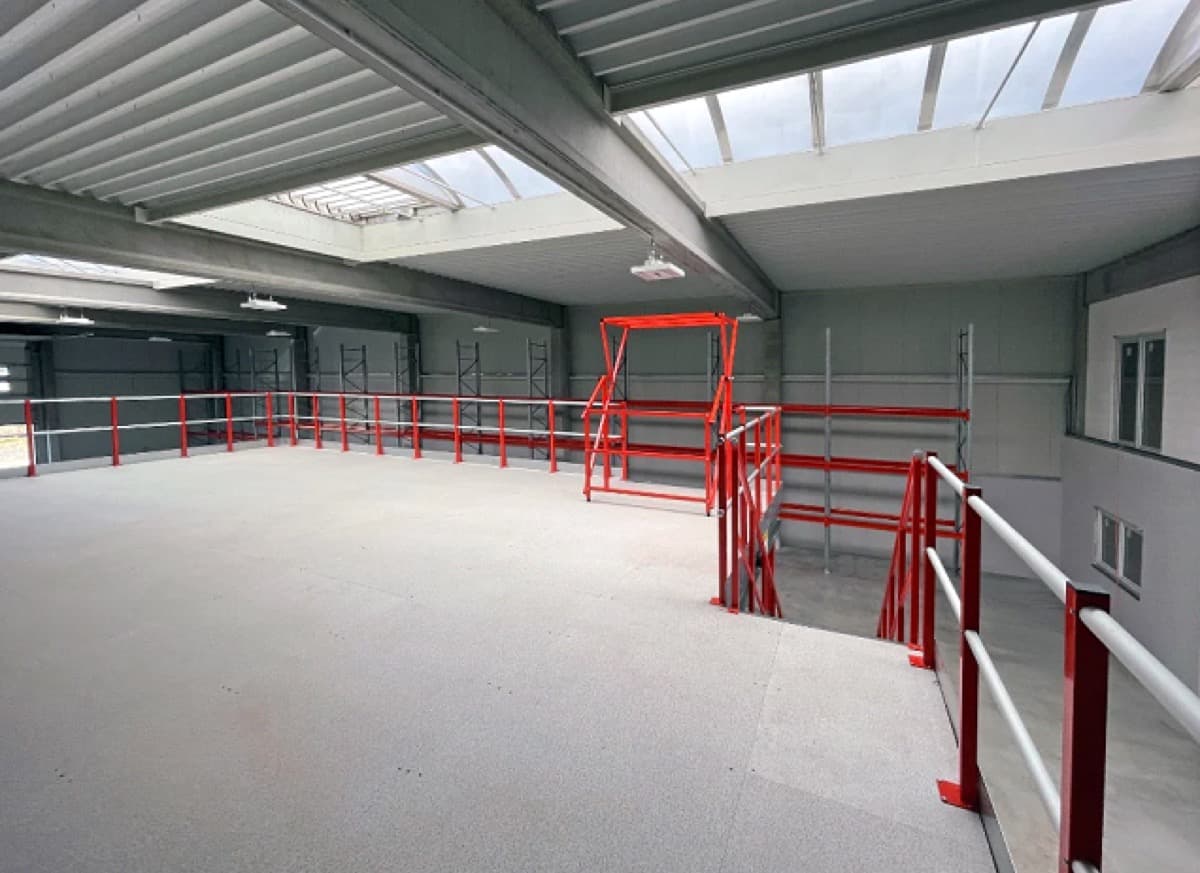
Score each supplier against this before you decide:
- NZ-fabricated, or engineered for NZ conditions with documentation to prove it
- CPEng engineering with the PS1 included
- Consent support offered, not just mentioned
- Itemised quote covering structure, flooring, finish, access, edge protection, delivery, install and engineering
- Realistic lead time with dates
- Bolt-together, no on-site welding
- Extendable and relocatable
- References you can visit
The Altivo difference
Altivo is the mezzanine-floor division of Superior Fabrication Ltd, a family-owned steel fabricator in Te Rapa, Hamilton, established in 2018. We fabricate kitset mezzanines and custom mezzanine floors in our own workshop, engineer them to the NZ Building Code including seismic requirements, and supply a PS1 from a Chartered Professional Engineer with every standard kitset. Everything bolts together with no on-site welding, floors can be extended or relocated, and we help with the consent documentation. Kitsets ship New Zealand wide; installs are coordinated across the North Island and beyond.
Thinking about a mezzanine?
Use the mezzanine configurator for indicative pricing on your platform size, then send us the plan and get a quote. You are welcome to visit the workshop in Te Rapa and see the product before you decide.